
CNC Punching for Sheet-Metal Components
Mikron Manufacturing lists punching within its precision sheet-metal capabilities in Colorado Springs. A punched part may also need forming, joining, hardware insertion, or finishing coordination. The useful starting point is therefore the finished component and its drawing, not an isolated list of holes or an assumption about the machine that will make them.
This page gives punching its own buyer-focused explanation without replacing the existing sheet-metal overview. Use it to prepare information about patterns, cutouts, part orientation, and downstream work. Mikron serves Front Range manufacturers and customers nationwide, including buyers in Electronics & Communications and Industrial & OEM.
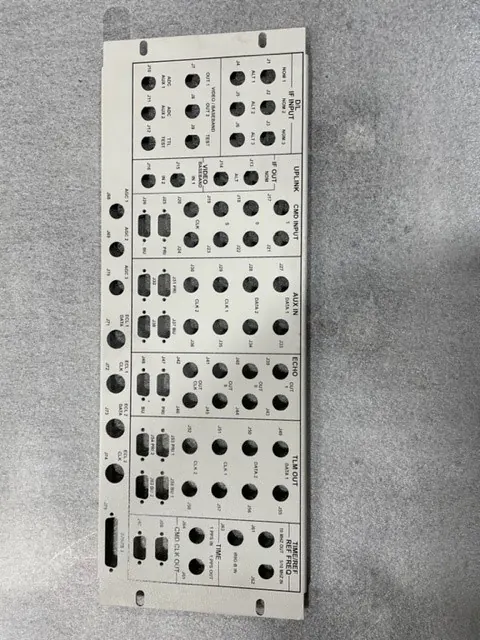
For panel, chassis, and sheet-metal part buyers
Punching inquiries can relate to panels, electronic chassis, enclosures, or other sheet-metal components already described on the site. A buyer may be comparing processes for a new design or presenting a released part for quotation. In either case, provide the current drawing and explain the function of patterned openings, mounting features, and surfaces that must remain suitable for later operations.
Define the pattern on the finished part
Show the shape and location of required openings, with dimensions tied to the drawing’s reference features. If the component will be formed, include the final formed drawing rather than supplying only an unexplained flat pattern. Mark the drawing revision so any older files included for comparison cannot be mistaken for the current requirement.
Explain how the openings relate to mating components, hardware, or access requirements. Those relationships help identify which features need particular review. Avoid an informal instruction such as “use the usual spacing” when your product has defined interfaces. The manufacturing discussion should be based on the drawing rather than on an assumed industry pattern or a photograph of a similar panel.
Review punching alongside cutting and forming
The existing sheet-metal page lists laser cutting, punching, forming, welding, and finishing coordination. These are related capabilities, not a requirement that every component pass through every process. If your design could be approached in more than one way, describe its functional requirements and ask Mikron to review the appropriate route rather than specifying a process without a design reason.
Identify bends, joining requirements, and hardware insertion in the initial package. A drawing that shows only a flat outline can omit requirements that matter to the finished part. Where the work is one component in a larger chassis or enclosure, include the relevant interface information and distinguish the item being quoted from reference components.
Include material, finish, and acceptance details
Specify the sheet material and grade, the required thickness on your drawing, the quantity, and the finish. Do not infer available thicknesses or punching limits from general equipment descriptions. This page provides no numeric capacity or tooling promise. Requirements must be reviewed against the actual part and the work being requested.
Accepted drawing formats include STEP, IGES, DXF, DWG, and PDF. Supply the files that define the final part and explain which drawing controls. List inspection and documentation requirements with the RFQ. If an initial part needs approval before further production, identify that review stage and ask how it should be included in the quotation.
Frequently Asked Questions
Is CNC punching a listed Mikron capability?
Yes. Punching is included in the site’s precision sheet-metal capabilities. This complementary page explains how to prepare a punching inquiry. It does not add a machine model, tooling inventory, thickness limit, or other equipment specification beyond the existing service description.
Should I choose punching or laser cutting in advance?
Identify the process if it is a genuine drawing requirement. Otherwise, describe the geometry, material, quantity, and finished-part requirements and ask for review. Mikron lists both punching and laser cutting, but the suitable approach depends on the part rather than a general rule stated here.
Do I need to send a formed drawing as well as a flat pattern?
When the finished component includes bends or other forming requirements, include that information. A flat pattern alone may not communicate the final orientation, interfaces, or acceptance criteria. Clearly identify which file defines the finished part and which is a supporting manufacturing reference.
Can this work be discussed as part of an enclosure?
The site describes electronic chassis and rack-mount enclosure fabrication. A punching requirement can be presented within that complete component package. Identify the part numbers, interfaces, forming, joining, and finish needed rather than assuming a quote for a flat panel covers a complete enclosure.
What should accompany a request for a punching quote?
Provide the current drawings, material grade, specified thickness, quantity, finish, and inspection needs. Explain patterned features and any downstream operations. Use Request a Quote for the package or Contact Mikron to discuss information that is not yet settled, without assuming a delivery commitment.