
CNC Milling for Custom Components
Mikron Manufacturing offers CNC milling as part of its machining capabilities in Colorado Springs. Milling removes material from a workpiece to create the features shown on a drawing. For a buyer, the useful starting point is not a machine specification: it is a clear description of the component, the material, and how the finished part will be checked.
This page focuses on milled components rather than the broader milling-and-turning overview. It explains how to present a new part, distinguish functional requirements from preferences, and prepare information for a machining discussion. Mikron serves Front Range manufacturers and customers nationwide from 4385 Northpark Drive, Colorado Springs, CO 80907.
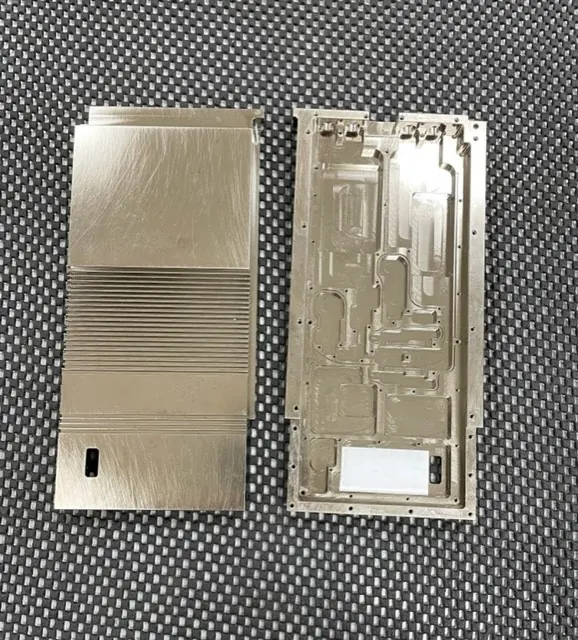
For engineers and buyers specifying a milled part
A milling inquiry may concern a prototype, a component for an existing product, or a production requirement. Buyers in Defense & Government, Electronics & Communications, Industrial & OEM, and Technology & Commercial can use the same basic handoff: identify the drawing revision, specify the material, and explain which features affect function. State whether the request is for one design or several related part numbers.
Start with the part and its functional features
Provide the part drawing together with the model when both are available. A model communicates shape, while a drawing can identify dimensions, surface requirements, notes, and inspection expectations. If the two files disagree, flag that disagreement before asking for a production quotation. Do not leave the shop to infer which file represents the released design.
Explain how the component locates, attaches, or fits with surrounding parts. Mark the features that control those relationships. A clearly identified mounting face or hole pattern gives the manufacturing discussion more context than an unsupported request for the tightest possible result. Any required tolerance belongs on the drawing and must be reviewed for the actual job.
Plan material, quantity, and downstream operations
The site lists cold rolled steel, stainless steel, aluminum, brass, and plastics within Mikron’s machining work. Specify the actual grade required for your component rather than treating those broad families as interchangeable. If material selection remains open, identify the operating requirements and ask which questions should be resolved before the design is released.
State the requested quantity and distinguish the immediate order from a possible later run. Include any finishing or joining requirements because those steps can affect how the part should be reviewed. Where a component combines milled and turned features, send the complete drawing rather than separating requirements into unrelated inquiries. Mikron’s existing machining overview covers both processes.
Make the quotation and inspection handoff clear
Mikron accepts STEP, IGES, DXF, DWG, and PDF drawings. Choose files that represent the current revision and give each part a consistent identifier. Include the material, quantity, finish, and inspection requirements in the inquiry. If there are multiple revisions or a comparison model, explain their purpose so an obsolete file is not mistaken for the production definition.
Ask about first-article inspection when an initial component needs review before a production release. Define the dimensions or characteristics that need to be documented and the records your purchasing process requires. Submission of a drawing does not establish a delivery commitment or a capacity limit. Use the quote request for the part details and the contact page for questions that need discussion.
Frequently Asked Questions
How is milling different from turning?
Milling and turning are different ways to remove material. The choice depends on the component’s geometry and required features. Mikron lists both processes. Submit the complete part definition and identify functional surfaces rather than choosing a process solely from the appearance of a similar part.
Can I discuss a prototype before a larger order?
Yes. The site describes prototype and production machining. Clearly separate the initial quantity from any expected later demand, and explain what the prototype is intended to establish. A later run should be discussed against the accepted drawing revision, material, finish, and inspection requirements.
Should I send only a solid model?
Send the model and drawing together when available. Use the drawing to identify requirements that may not be clear from geometry alone. STEP and IGES can communicate a model; PDF, DXF, or DWG may carry drawing information. Explain which file controls if the information differs.
Are tolerances or machine capacities promised here?
No. This page does not establish a tolerance, part envelope, material-thickness limit, or production rate. Put the required dimensions and acceptance criteria on the drawing and ask Mikron to review them for your specific part before making purchasing assumptions.
What is the next step for a milling inquiry?
Use Request a Quote to provide the part files and requirements. Include the drawing revision, material grade, quantity, finish, and inspection needs. Use Contact Mikron when a question about the design or handoff needs to be resolved before you submit a complete package.