
Laser-Cut Sheet-Metal Parts and Profiles
Mikron Manufacturing offers laser cutting within its precision sheet-metal capabilities in Colorado Springs. This complementary page focuses on preparing a component for review: the finished outline, internal cutouts, material definition, quantity, and any work that follows cutting. The existing laser-cutting page remains the place to read its process and equipment context.
A flat profile may be the deliverable, or it may be one stage in a formed panel, chassis, or enclosure. Describe which result you need. A useful RFQ distinguishes a request for cut parts from a request for a finished fabricated component, so the review can address the complete scope instead of assuming what happens after the outline is made.
For buyers of flat profiles and fabricated sheet-metal parts
Engineers and purchasing teams can use this information when preparing a new design or a repeat requirement with a changed revision. Mikron serves Front Range manufacturers and customers nationwide, including Electronics & Communications and Industrial & OEM. Explain how the profile functions and identify the interfaces that matter rather than relying on a general product description or a photograph alone.
Provide the geometry and its controlling drawing
Supply the current drawing and supporting geometry in accepted formats: STEP, IGES, DXF, DWG, or PDF. Identify the part number and revision across the files. If a flat pattern is supplied, explain its relationship to the final component. Where dimensions or notes are not carried in the geometry file, include the drawing that establishes those requirements.
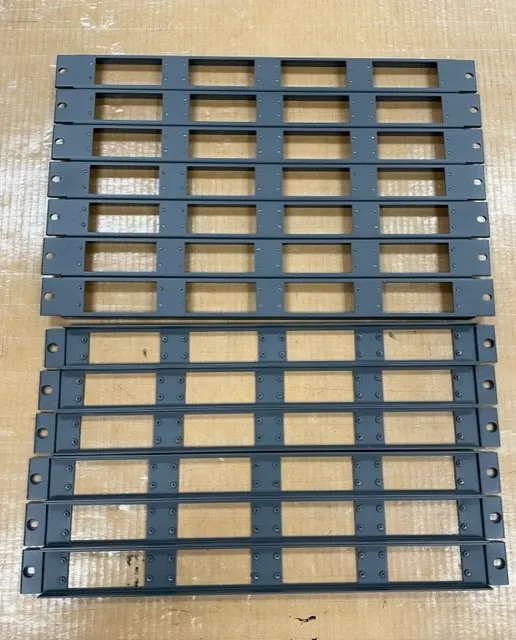
Show internal openings and external profiles clearly. If a feature controls fit, access, or location, identify the requirement on the drawing. Avoid sending multiple unexplained versions of an outline and expecting the manufacturer to determine which is current. Supporting photographs can provide context, but they do not replace the dimensional and acceptance requirements for the part being quoted.
Describe the material and subsequent work
Specify the material grade and required thickness for review. Do not treat an equipment reference or a similar-looking portfolio part as confirmation that a particular material and geometry can be produced as requested. This service page states no new thickness limit, cutting tolerance, or capacity. The actual part requirements belong in the manufacturing discussion.
List any forming, punching, joining, hardware insertion, or finishing required after cutting. Those operations are described within the existing sheet-metal capabilities, but not every profile needs all of them. If the deliverable is a formed part, provide its finished definition. If you only need a flat component, say so rather than allowing a larger fabrication scope to remain ambiguous.
Make quantity, finish, and inspection reviewable
State the quantity for each part number and separate initial evaluation parts from possible later demand. Include the finish requirement and identify functional surfaces that need attention in the finished condition. Ask about coordination where a finish is part of the complete deliverable instead of assuming a general reference to finishing establishes the exact service scope for your order.
Include inspection requirements and any requested documentation with the RFQ. If an initial part needs review before a larger run, identify what the reviewer must establish. Use Contact Mikron when the design or file package needs clarification, and Request a Quote when the geometry, material, quantity, and acceptance requirements are ready to present together.
Frequently Asked Questions
How is this page different from the existing laser-cutting page?
This page concentrates on the buyer’s component definition and quotation package. The existing page covers the broader laser-cutting subject and its equipment context. Neither page replaces a review of the material, geometry, finish, and acceptance criteria for the actual part you need.
Can I request only flat cut parts?
Describe the flat component as the requested deliverable and provide its drawing requirements. If forming, joining, or finishing is also needed, identify that work separately within the same package. Do not assume an outline file establishes whether the order is for a flat blank or a finished fabricated part.
Is a DXF file enough for a quotation?
A DXF can communicate geometry, but provide the information that defines the complete requirement. Material, thickness, quantity, finish, drawing notes, and acceptance criteria may need additional documentation. Identify the controlling revision and explain any differences between a geometry file and the drawing.
Should I compare laser cutting with punching?
Mikron lists both processes. If the process is not fixed by your drawing, describe the functional requirements and ask what should be reviewed. A part-specific discussion is more useful than assuming one process is always preferable for every opening, quantity, or material.
Are specific cutting limits guaranteed?
No numeric cutting limit or tolerance is promised here. Include the requirements for your part and ask for review. The facility is at 4385 Northpark Drive, Colorado Springs, CO 80907; use the quote and contact destinations below whether you are a local buyer or a customer elsewhere.