
Design-for-Manufacturing Review
Mikron Manufacturing offers value engineering and manufacturability review for parts being prepared for production. The purpose of the discussion is to identify questions about features, materials, process steps, and inspection requirements before those questions become assumptions in a released drawing or purchasing package.
This page complements the existing value-engineering capability overview. It focuses on how a buyer can organize a design review and distinguish requirements that are fixed by function from features that remain open to discussion. A review is not a promise of cost savings, a substitute for design approval, or permission to change a drawing without the responsible person’s agreement.
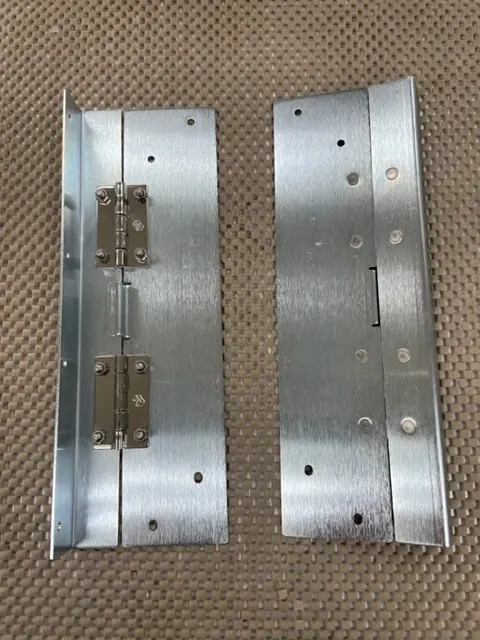
For engineers and buyers preparing a part for quotation
A manufacturability discussion is useful when a part is new, when a revision changes its requirements, or when a prototype is moving toward production. Mikron works with Front Range manufacturers and customers nationwide. Present the actual component, its intended function, and the decisions still open for review rather than asking for a general redesign of a product without a defined manufacturing scope.
Separate functional requirements from preferences
Identify the features that control fit, location, access, or another required function. Include the drawing notes that establish material, finish, and acceptance criteria. Explain which requirements come from a governing specification or a mating component and which choices can be discussed. A review is more productive when everyone understands what may change and what may not.
Do not remove a tolerance or material requirement merely to simplify a quote request. If a requirement appears open to review, mark the question and identify who can approve a change. The part definition should remain controlled while alternatives are discussed. An informal suggestion should not become an undocumented revision to the item being manufactured.
Discuss the process in the context of the whole component
Mikron’s capabilities include CNC machining, precision sheet-metal fabrication, welding, and finishing coordination. A useful review looks at how the requested operations relate to the finished part. If the process is not fixed by design, ask which information is needed to compare approaches rather than assuming one route is always preferable for every geometry or quantity.
For a fabricated component, include forming, joining, hardware, and finish requirements in the same package. For a machined component, identify functional surfaces and relationships to other parts. Where a design includes multiple part numbers, make clear which items are being reviewed and which are provided only to explain an interface.
Record the outcome before release
Provide STEP, IGES, DXF, DWG, or PDF files that represent the current design. Keep the model, drawing, part number, and revision consistent. If the review produces a proposed change, document it and obtain the appropriate approval before treating it as the production definition. List unresolved questions separately from accepted changes.
Include the immediate quantity and any expected later run, as well as finish, inspection, and documentation needs. Ask about first-article inspection when an initial component must be reviewed before further work. Use the quote form for a defined part package and the contact page for questions about what needs to be settled before that package is complete.
Frequently Asked Questions
Is this the same subject as value engineering?
It is a focused part of Mikron’s existing value-engineering and manufacturability information. This page explains how to prepare a review of the drawing and manufacturing requirements. The broader capability overview remains available and is not replaced by this service page.
Can a review guarantee a lower price?
No savings figure or price outcome is promised. The useful result is a clearer understanding of the part requirements and questions that need resolution. Any proposed change should be evaluated against function, approval requirements, inspection, and the complete component definition rather than price alone.
Who approves a proposed design change?
Identify the person or organization responsible for the design. A manufacturing discussion does not replace that authority. Record proposed changes, distinguish them from accepted revisions, and provide the updated drawing and model before releasing work against a changed requirement.
What if the drawing is still incomplete?
Explain which decisions remain open and which information is provisional. Use Contact Mikron to discuss the preparation needed for a useful review. Do not present a provisional file as a released production drawing or assume that missing material, finish, or acceptance notes can be inferred.
How does this connect with prototype work?
An initial component may help inform a later release, but state what it is intended to establish. Keep the prototype quantity, review criteria, and subsequent drawing revision clear. The prototype-to-production page explains that handoff without assuming an initial review automatically authorizes a later run.